
Choosing the right laboratory matters because it affects how accurate and reliable your test results will be. The first CAP-accredited Filipino laboratory in the Philippines, as shown above, follows very strict quality rules to make sure every test is correct, safe, and trusted by doctors. With this level of care, you can feel confident that your health results are handled with the highest standards.
What Do Laboratory Services Include?
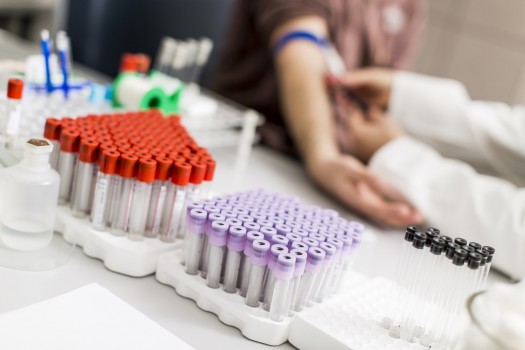
Laboratory services cover many tests that check your body’s health. So, these tests look at blood, urine, tissues, and other samples to help find, confirm, or monitor medical conditions. They also support a clinical research laboratory, where new tests and treatments are studied to improve patient care.
Below is a simple breakdown of the most common services.
Common Tests and Services
- Blood tests such as CBC, blood chemistry, and lipid profile
- Urine and stool tests to check for infections or organ problems
- Diagnostic imaging support, where lab work helps confirm X-ray, ultrasound, or CT findings
- Pathology and biopsy checks to study tissue samples
- Microbiology tests to find bacteria, viruses, fungi, or parasites
- Hormone and metabolism tests to check thyroid, sugar levels, and other body functions
- Molecular and genetic tests to find genetic issues or detect diseases early
Key Tasks and Functions Inside the Lab
Sample Handling
Collecting, preparing, and checking samples like blood, urine, or tissue to make sure they are safe and ready for testing.
Using Lab Equipment
Running machines and tools, from simple microscopes to advanced analyzers, to get clear and accurate results.
Data and Records
Entering results into the laboratory system so doctors can quickly review and understand your test findings.
Quality and Safety Control
Making sure all tests are done correctly, safely, and according to strict standards every day.
Sharing and Explaining Results
Sending results to your doctor and helping them understand what the numbers mean so you can get the right care.
How Do Laboratory Services Work?
Laboratory services begin when a sample, such as blood or urine, is collected. After that, the sample is prepared, tested, and sometimes sent to a send-out laboratory if special equipment is needed. So, trained professionals analyze the sample, and doctors use the results to diagnose conditions, guide treatment, or monitor a patient’s health.
Sample Collection
- A healthcare worker collects blood, urine, or a swab.
- A phlebotomist draws blood safely and labels the tube.
- The sample is tagged with the patient’s information.
Sample Preparation
- The sample arrives at the lab for processing.
- Technicians check labels and prepare them for testing.
- This step ensures accuracy and safety.
Analysis
- Lab technologists use machines and tools to test the sample.
- They look for signs of infection, organ function, or other health problems.
- Some tests are done in-house, and others go to a send-out laboratory.
Results
- Results are reviewed for accuracy.
- Doctors receive the findings and explain them to the patient.
- Results help diagnose conditions or monitor treatment progress.
Why Are Laboratory Services Important?
Laboratory services are important because they help doctors find health problems early, understand what illness a person has, and choose the right treatment. So, these tests look at blood, tissues, and other body fluids to give clear and accurate information. Labs also help during public health emergencies, support safe blood transfusions, and even assist research through laboratory outsourcing, where some tests are sent to special labs for faster or more advanced results.
Key Reasons Why Laboratory Services Matter
Diagnosis and Treatment
- Tests help identify illnesses like infections, diabetes, cancer, and heart disease.
- Results guide doctors in choosing the right treatment.
Health Monitoring
- Regular tests show how a patient’s health changes over time.
- They help track treatments and spot problems early, like high cholesterol.
Public Health Surveillance
- Labs help monitor diseases in the community.
- They play a big role in responding to outbreaks and keeping the public safe.
Safe Blood Transfusions
- Labs test donated blood to make sure it is safe for patients.
Informed Decision-Making
- Test results give doctors the facts they need to make smart medical decisions.
Research and Development
- Labs help create new tools, tests, and treatments.
- Some testing is done through laboratory outsourcing when special skills or machines are needed.
Types of Laboratory Services
| Service Type | What It Checks | Common Use |
| Clinical Chemistry | Blood components | Diabetes, kidney, liver tests |
| Hematology | Blood cells | Anemia, infections |
| Microbiology | Germs (bacteria, viruses) | Infection detection |
| Pathology | Tissue samples | Cancer screening |
| Immunology | Immune response | Allergies, autoimmune diseases |
Types of Laboratory Departments
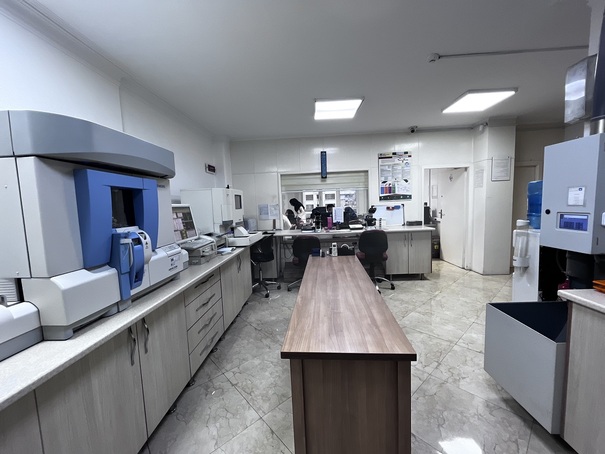
Clinical Chemistry
Tests blood and body fluids for sugar, fats, salts, and enzymes to see how organs like the liver and kidneys are working.
Hematology
Checks blood cells. Tests like CBC help find anemia, infections, or blood problems.
Microbiology
Looks for germs such as bacteria, viruses, fungi, or parasites to find the cause of infections.
Urinalysis
So, studies urine to check kidney health, infections, hydration, and other hidden issues.
Phlebotomy
The team that collects blood safely and correctly so tests are accurate.
Anatomic Pathology
Studies tissues and biopsy samples under a microscope to check for diseases like cancer.
Immunology and Serology
Looks for antibodies and antigens to detect infections, allergies, and immune system issues.
Molecular Diagnostics
Uses tools like PCR to study DNA and find genetic problems or early infections.
Toxicology
Also, tests for drugs, alcohol, poisons, and harmful chemicals for safety and medical checks.
How to Choose Reliable Laboratory Services?
Choosing the right laboratory is important because it helps you get safe, correct, and fast test results. Above all, to make a good choice, look for labs that have strong quality standards, skilled staff, and good customer service. So, if you ever need help picking the right lab, you can always contact us for guidance.
Key Factors to Consider
Accreditation and Certifications
- Choose a lab with trusted approvals like CAP or NABL.
- These show that the lab follows strict rules to keep tests safe and accurate.
Expert Staff and Experience
- Pick a lab with trained pathologists, technologists, and technicians.
- Skilled workers make sure your results are correct and reliable.
Good Equipment and Quality Checks
- Look for labs that use modern, well-maintained machines.
- Updated tools help produce clearer, safer, and more accurate results.
Customer Service and Support
- A good lab should make things easy, like giving results through SMS, email, or a website.
- Support teams should help answer questions and solve problems quickly.
Accuracy and Turnaround Time
- Choose labs known for giving correct results.
- Faster turnaround times help doctors make quick health decisions.
Wide Range of Services
- It’s better when the lab offers many tests in one place, from basic checkups to special screenings.
- This saves time and avoids going to multiple labs.
Pricing and Transparency
- Compare prices, but don’t choose only the cheapest option.
- Look for labs that clearly explain their test fees.
Reputation and Reviews
- Check online ratings and customer comments.
- You can also ask your doctor to recommend a trusted lab.
Contact Singapore Diagnostics:
- Visit any of our nationwide branches
- Call us at (+63) 98845 0655 or (+63) 917 566 4137
- https://singaporediagnostics.com
FAQs
1. How do I know if a laboratory is reliable?
A reliable lab has trusted accreditations like CAP or NABL, uses modern equipment, and has trained staff who follow strict safety and testing rules.
2. Why is accreditation important?
Accreditation shows that the lab meets high standards. Also, it means the lab’s tests are checked regularly to make sure they are accurate and safe.
3. Can I trust online lab test results?
Yes, as long as the lab is accredited and known for correct testing. So, many labs send secure results through their website, email, or SMS.
4. What should I check before choosing a lab?
Look at the lab’s reputation, reviews, accreditation, price transparency, turnaround time, and the range of tests they offer.
5. What if I need help choosing the right lab?
If you feel unsure or need guidance, you can always contact us for help in finding a trusted and high-quality laboratory.