
Getting the right lab test is important for your health, especially when you need fast and accurate results you can trust. Singapore Diagnostics stands out because it is the first CAP-accredited Filipino laboratory in the Philippines, a recognition given by the College of American Pathologists for meeting strict international standards.
This accreditation ensures every lab test you take is handled with advanced systems, skilled professionals, and a strong focus on quality and reliability.
How Does an HIV Test Work?
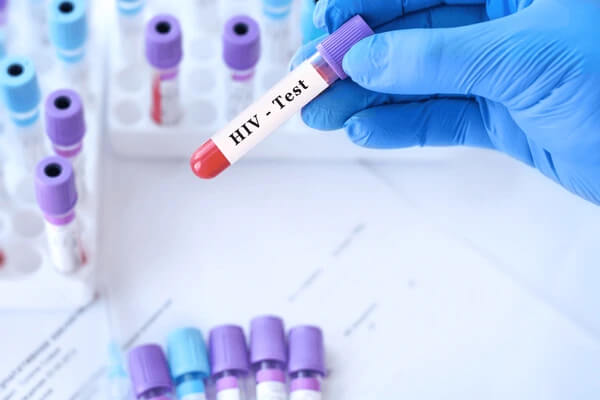
An HIV test works by checking your blood, saliva, or urine to see if the virus is in your body, or if your body has started fighting it. Labs use three main types of tests, and each one looks for something different. Many clinics also use laboratory outsourcing, which means they send samples to trusted partner labs for faster and more accurate testing.
How HIV Tests Find the Virus?
HIV tests look for:
- The virus itself
- The virus’s antigens
- The antibodies your body creates to fight HIV
The test type and the timing of your exposure affect how early HIV can be detected.
1. Antigen/Antibody Tests (Most Common)
What it looks for:
These tests check for the HIV p24 antigen and the antibodies your body produces.
How it works:
Right after infection, the p24 antigen appears before antibodies show up. This makes the test useful very early, sometimes as soon as 11 days after exposure.
Sample used: Blood or saliva.
2. Antibody Tests
What it looks for:
Only the antibodies your immune system makes to fight HIV.
How it works:
Antibodies take time to develop. Some people develop them fast, others slower. Tests may detect them from 23 days up to 90 days after infection.
Sample used: Blood, saliva, or urine.
3. Nucleic Acid Tests (NATs)
What it looks for:
The actual virus in your blood.
How it works:
NATs can find HIV very early, sometimes as early as 10 to 33 days after exposure. These tests are often used for high-risk cases but not for routine screening because they cost more.
Sample used: Blood.
What Happens During Testing?
Testing methods:
A healthcare worker may collect:
- Blood from your vein
- A small finger-prick sample
- An oral swab
- A urine sample
Results:
- Rapid tests give results in about 30 minutes
- Lab tests may take 1 to 3 days, depending on processing and laboratory outsourcing
Confirming the Results
If the first test (screening test) is positive, a follow-up confirmatory test is always done. This second test checks your sample in a more detailed way to make sure the results are correct.
At-Home HIV Tests
You can also test yourself at home.
Options include:
- A rapid test you do by yourself
- A self-collected sample that you send to a lab
These tests are private and easy to use, but following instructions carefully is important.
Types of HIV Tests
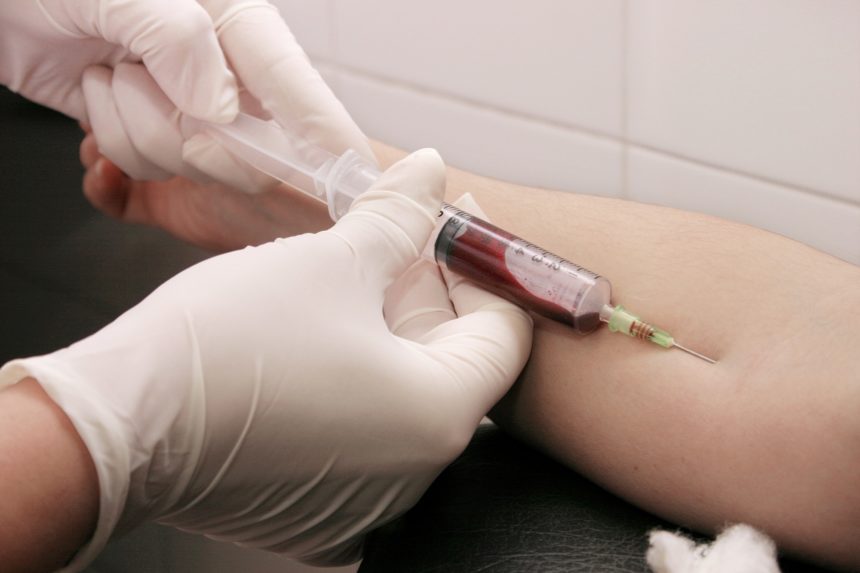
There are three main types of HIV tests. Each one looks for something different in your body. The type of test, where the sample comes from, and how the sample is collected all affect how early the test can find a new infection. A laboratory HIV test often gives the most accurate results because it uses advanced machines and trained staff.
1. Antibody Tests
What they look for:
Antibodies, which are proteins your body makes after it meets HIV.
How they work:
They use blood or oral fluid to check if your body has started fighting the virus.
Where they are used:
Most rapid tests and many at-home tests are antibody tests.
Window period:
They can show HIV 23 to 90 days after exposure.
2. Antigen/Antibody Tests
What they look for:
Both the p24 antigen (part of the HIV virus) and HIV antibodies.
How they work:
These tests use a blood sample from a vein or a small finger-prick sample.
Where they are used:
They are the most common type of laboratory HIV test and are often used in clinics and hospitals.
Window period:
- Blood from a vein: Detects HIV in 18 to 45 days
- Finger-prick blood: Detects HIV in 18 to 90 days
3. Nucleic Acid Tests (NATs)
What they look for:
The actual HIV virus and its genetic material in your blood.
How they work:
A blood sample from a vein is checked using very sensitive machines.
Where they are used:
Used for early detection, confirming HIV, or monitoring people already on treatment. Some people call them “viral load tests.”
Window period:
They can find HIV very early, 10 to 33 days after exposure.
When Should You Take an HIV Test?
You should take an HIV test any time you think you were exposed to the virus. The best time to test is at least 2 weeks after the possible exposure, because your body needs time to produce signs that the test can detect. For the most accurate result, test again at 3 months. People with a higher risk, such as having multiple partners or sharing needles, may need to test more often.
If you already visit a clinic for other checks, like a lab test for liver health, you can ask about adding an HIV test to your routine screening. Early testing helps you get help fast and protects your long-term health.
Why Is an HIV Test Important?
An HIV test is important because it helps you learn your status early, get treatment fast, and lower the chance of passing the virus to others. Early action makes a big difference in long-term health and protects your partners. Many clinics also work with a partner lab to make sure every test is accurate, safe, and processed quickly.
How Early Testing Helps You Stay Healthy?
When you take an HIV test early, you can start treatment sooner, which keeps your immune system strong. Also, knowing your status helps you make safer choices and keeps the people you care about protected.
Quick Facts About HIV Testing
Here are a few quick facts that make HIV testing easier to understand. These points help you know what to expect, and they also show why testing early matters.
- Results can be ready in 15 to 20 minutes, so you do not need to wait long.
- Some tests can detect HIV as early as 10 days after exposure, so early checks are possible.
- Testing is confidential and often free or low-cost, so more people can access it.
- Early testing improves treatment success, so you can stay healthier for a longer time.
How to Prepare for an HIV Test?
Preparing for an HIV test is simple. You do not need to fast, and most tests only need a small sample. These steps can help you feel ready, and if you have questions, you can always contact us for support.
Before an In-Clinic Test
- Bring a valid ID if the clinic requires it.
- Drink water to stay hydrated, which makes blood draws easier.
- Talk to a counselor if you feel nervous or want to understand the test options.
- Do not worry about fasting, because food and drinks do not affect most HIV tests.
- Take care of yourself, like listening to music or talking to a friend to stay calm.
Before an At-Home Oral Test
- Avoid eating or drinking for 30 minutes before the test.
- Wash and dry your hands before starting.
- Follow the instructions carefully, since each test kit may be a little different.
Important Tips for All HIV Tests
- Know the “window period.” This is the time your body needs before the test can correctly detect HIV. Ask your doctor or check the kit for details.
- Share information about PrEP or PEP. If you use PrEP or think you need PEP after a recent exposure, tell your doctor right away because it can affect your test results.
Contact Singapore Diagnostics:
- Visit any of our nationwide branches
- Call us at (+63) 98845 0655 or (+63) 917 566 4137
- https://singaporediagnostics.com
FAQs
1. How soon after exposure should I take an HIV test?
You can take a test as early as 10–14 days, but for the most accurate result, test again at 3 months.
2. Do I need to fast before an HIV test?
No. You can eat and drink normally. Only at-home oral tests require avoiding food and drinks for 30 minutes.
3. Is HIV testing painful?
Most tests use a small finger prick or a quick swab, so the discomfort is very small.
4. Are HIV test results confidential?
Yes. Clinics, hospitals, and partner labs protect your privacy and keep your results confidential.
5. Can I test for HIV at home?
Yes. You can use approved at-home test kits with simple instructions and quick results.