
When you choose a lab test, you want results that are accurate, fast, and truly reliable. The image above shows the CAP Accreditation seal, which proves that the laboratory meets the highest international standards for testing quality and safety. Being the first CAP-accredited Filipino laboratory in the Philippines, it assures every patient that each lab test is handled with strict processes, advanced equipment, and expert care.
How Does a TSH Test Work?
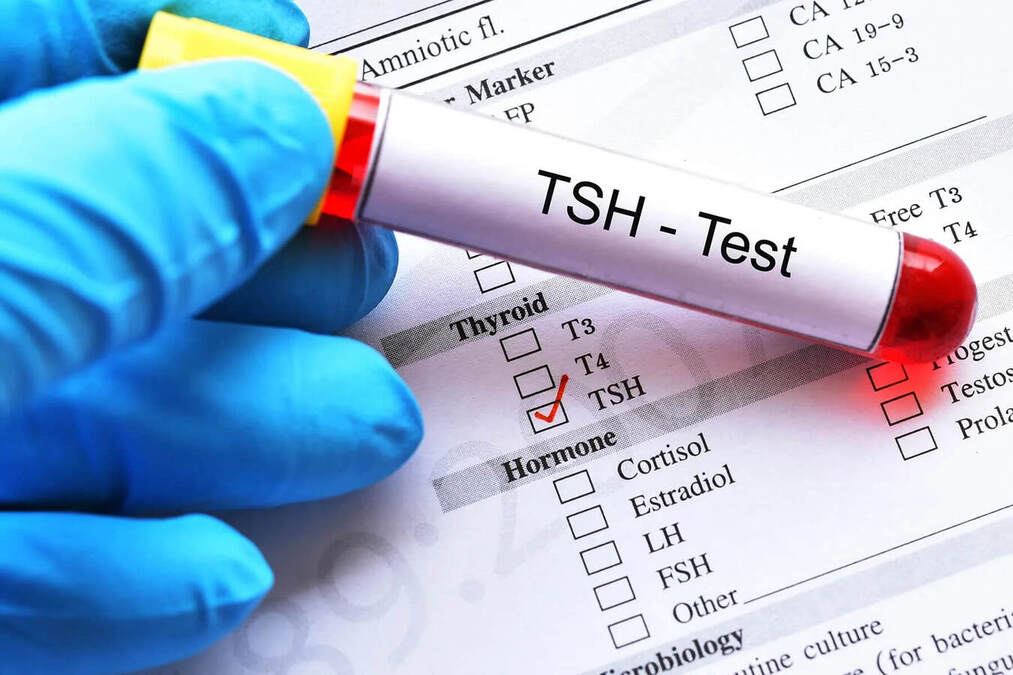
A TSH test starts with a small blood sample taken from your arm. The sample is then sent to a lab that may also use laboratory outsourcing to make sure results are checked with the best tools. The TSH level shows if your thyroid is working the right way or if something feels off.
What are the TSH Test Checks?
A TSH test looks at how much thyroid-stimulating hormone is in your blood. This hormone comes from your pituitary gland and tells your thyroid what to do. When doctors see your TSH level, they understand how hard your body is asking the thyroid to work.
How TSH Helps Your Thyroid Work?
TSH acts like a tiny messenger. It tells your thyroid to release two important hormones called T3 and T4. These hormones help your body stay active, warm, and healthy. When TSH is too high or too low, doctors can see that your thyroid may need help.
Why Does This Test Matters?
A TSH test helps doctors find out if your thyroid works too slowly, too quickly, or just right. It can show early signs of thyroid problems so you can get the right care sooner. This test also helps keep track of treatment if you already take thyroid medicine.
When Should You Get a TSH Test?
You should get a TSH test when you notice signs that your thyroid may not be working properly. Doctors also recommend this test during pregnancy, routine check-ups, or when checking long-term thyroid treatment. Many clinics and even a clinical research laboratory use this test to help find thyroid problems early.
Signs That Mean You May Need the Test
If you feel any of these changes, a TSH test can help you understand what is happening inside your body:
- Feeling tired or weak
- Gaining or losing weight suddenly
- Feeling too cold or too hot
- Changes in mood like anxiety or sadness
- Hair loss, dry skin, or weak nails
- Stomach problems like constipation or diarrhea
- Muscle aches
- A swollen neck (possible goiter)
These symptoms may mean your thyroid is working too slow or too fast.
Who Should Get Tested More Often?
Some people need a TSH test even if they do not feel strong symptoms:
- Family history: If close family members have thyroid problems
- Pregnant women: Before and during pregnancy to protect mom and baby
- Adults over 60: Thyroid symptoms can be hard to notice at this age
- Routine check-ups: Some doctors add it to yearly exams
- Pre-employment exams: Some jobs require health screening
For People Already Receiving Treatment
If you already have a thyroid condition, your doctor may ask for regular TSH tests to:
- Check if your medicine is working
- Adjust your treatment safely
- Monitor your pituitary gland if needed
This helps make sure your thyroid stays healthy and balanced.
What Do TSH Test Results Mean?
A TSH test helps show if your thyroid is working too fast, too slow, or just right. Many clinics and even a send out laboratory use this test to help doctors understand your thyroid health. While the test can show a problem, it cannot explain the exact cause, so doctors often check other thyroid hormones too.
Quick TSH Level Guide
| TSH Level | What It May Suggest |
|---|---|
| High | Possible hypothyroidism (thyroid too slow) |
| Low | Possible hyperthyroidism (thyroid too fast) |
| Normal | Thyroid working normally |
What High TSH Means?
If your TSH level is high, it usually means your thyroid is not making enough hormones. When this happens, your pituitary gland sends out more TSH to tell the thyroid to work harder. This is a common sign of hypothyroidism, also known as an underactive thyroid.
What Low TSH Means?
If your TSH level is low, it means your thyroid is making too much hormone. When the thyroid becomes too active, the pituitary gland slows down TSH production. This often points to hyperthyroidism, or an overactive thyroid.
Other Things That Can Affect Your Results
Doctors also look at your T3, T4, and symptoms to fully understand what is happening. Age, pregnancy, and certain medicines can change your TSH level too. Because of this, the TSH test is usually just one part of checking your full thyroid health.
How to Prepare for a TSH Test?
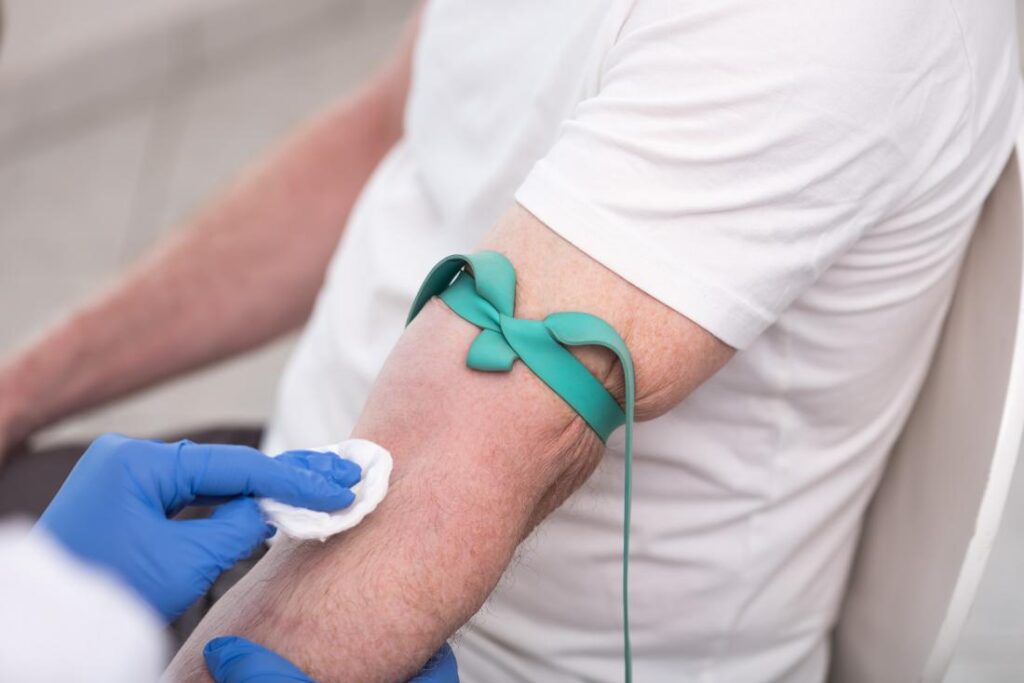
Getting ready for a TSH laboratory test is very easy. Most people do not need to fast or change their routine, but you should always tell your doctor about the medicines and supplements you take. Some products, especially biotin, can affect your test results, so your doctor may give you special instructions.
Before the Test
Tell Your Doctor About Medicines
Share all the medicines you take, including thyroid pills, vitamins, and other supplements. Some of them can change how your results look, so your doctor needs to know.
Ask About Biotin
If you take biotin (Vitamin B7), ask your doctor if you should stop taking it for two days before the test. Biotin can interfere with the machines used to measure TSH.
Do You Need to Fast?
Most people can eat and drink normally before the test. However, if you are doing other blood tests at the same time, your doctor may ask you to fast for a short time. Always follow your doctor’s instructions.
During the Test
A small amount of blood will be taken from a vein in your arm. You might feel a quick, tiny prick from the needle. The whole process usually takes just a few minutes.
After the Test
You can go back to your normal activities right away. The nurse will put gentle pressure on the spot where the blood was taken and cover it with a bandage. You might see a little bruise later, but it usually goes away soon.
Benefits of Taking a TSH Test
A TSH test gives you important information about your thyroid health. It is simple, quick, and very accurate, which makes it one of the best tools for checking how well your thyroid works. If you ever need help or have questions about thyroid testing, you can always contact us for guidance.
Catches Thyroid Problems Early
A TSH test can find thyroid issues before you even notice strong symptoms. It can show if your thyroid is working too slowly (hypothyroidism) or too fast (hyperthyroidism), so you can get help right away.
Helps Explain Unusual Symptoms
If you feel tired, gain or lose weight quickly, feel moody, or have a fast heartbeat, this test helps doctors see if your thyroid is the reason. It gives clear clues about what is happening in your body.
Guides the Right Treatment
Your test results help your doctor choose the best treatment plan for you. This may include medicine, special therapy, or other care depending on your condition.
Checks If Your Treatment Is Working
If you already have a thyroid problem, regular TSH tests show whether your medicine dose is right. Doctors use these results to adjust your treatment, keeping your hormone levels in a healthy range.
Protects Your Long-Term Health
Untreated thyroid problems can affect the heart, nerves, bones, and energy levels. The TSH test helps prevent these issues by catching thyroid changes early so they can be managed properly.
Supports a Healthy Pregnancy
During pregnancy, TSH levels play a big role in keeping both mom and baby healthy. Checking these levels helps doctors make sure the baby’s brain and body develop the right way.
Important for Newborns
All newborn babies in the U.S. get a TSH test. This helps find a rare but serious thyroid problem called congenital hypothyroidism. Early treatment keeps babies healthy and helps them grow well.
Contact Singapore Diagnostics:
- Visit any of our nationwide branches
- Call us at (+63) 98845 0655 or (+63) 917 566 4137
- https://singaporediagnostics.com
FAQs
1. What is a TSH test used for?
A TSH test checks how well your thyroid is working. It helps doctors find thyroid problems early and understand symptoms like tiredness or weight changes.
2. Do I need to fast before a TSH test?
No, you can usually eat and drink normally. Your doctor will tell you if fasting is needed for other tests done at the same time.
3. Can medicines or vitamins affect my TSH results?
Yes. Some medicines and supplements, especially biotin, can change your results. Always tell your doctor what you are taking.
4. How long does it take to get TSH test results?
Most clinics and labs release results within 24 to 48 hours, depending on their testing process.
5. Is a TSH test painful?
No. You will only feel a small pinch when the needle takes a tiny sample of blood. The test is quick and safe.