
Laboratory testing plays a vital role in understanding your health and getting accurate medical answers when you need them most. Our laboratory testing services are backed by national and international recognition, including the Healthcare Asia Service Innovation of the Year 2024, the Philippine Daily Inquirer Growth Champion of the Year 2023, and our achievement as the First CAP-Accredited Filipino Laboratory in the Philippines, ensuring trusted and reliable results.
How Does Laboratory Testing Work?
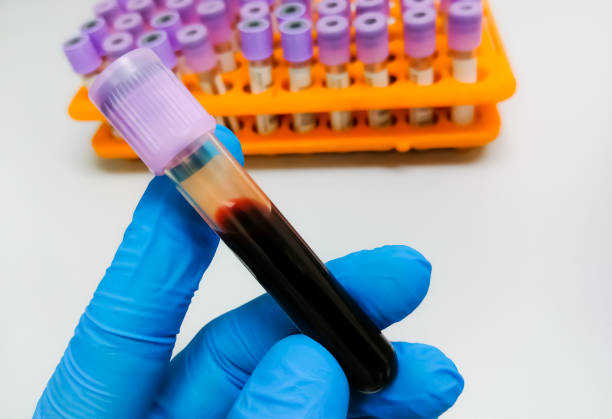
Laboratory testing works by taking a small sample from your body, preparing it carefully in the lab, and checking it with medical tools to look for signs of health or sickness. The whole process helps doctors understand what is happening inside your body in a safe and accurate way. Many clinics also use laboratory outsourcing to make sure tests are handled by trusted and specialized labs.
Step-by-Step Process
1. Sample Collection
A healthcare worker gently collects a sample, like blood, urine, or a swab. This is usually quick and only takes a few minutes.
2. Sample Preparation
The sample is labeled with your information and sent to the lab. Here, staff get it ready for testing to make sure the results are correct.
3. Analysis
Lab technologists check the sample using machines and simple tools. They look for anything unusual, such as infections, sugar levels, or organ function.
4. Results
After testing, the results are reviewed. Your doctor or the clinic will explain what the findings mean and what steps you may need to take next.
What is the purpose of laboratory testing?
Laboratory testing can help establish a diagnosis, guide treatment plans, verify if treatment is effective, or monitor a condition over time.
Laboratory testing plays a crucial role in understanding your health by offering accurate, reliable data that helps doctors diagnose medical conditions, plan and adjust treatments, check whether therapies are working, and track changes over time. By using certified labs with standardized procedures and modern equipment, tests can detect hidden issues early, such as infections, nutrient deficiencies, or organ function problems and give you and your doctor a clear view of your wellbeing.
Why Is Laboratory Testing Important?
Laboratory testing is important because it helps find health problems early, checks how your body is doing, and makes sure your treatments are working the way they should. It gives clear information that doctors need to make safe choices about your care. Many clinics also work with a send out laboratory to make sure every test is processed with the highest accuracy.
Key Benefits
• Helps doctors diagnose health problems
Tests show what is happening inside your body so doctors can understand your symptoms better.
• Tracks how well treatments work
Doctors can see if your medicine or therapy is helping or if changes are needed.
• Detects infections, nutrient levels, and organ function
Simple tests can check if you have an infection, low vitamins, or issues with the liver, kidneys, or other organs.
• Guides safe and accurate medical decisions
Clear results help doctors choose the best care for you, keeping your health safe.
When Do You Need Laboratory Testing?
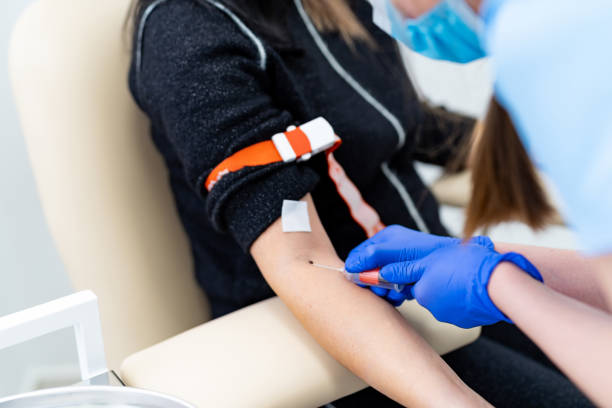
You may need laboratory testing when you feel sick, have new symptoms, or want to check your overall health. Doctors also request tests to watch ongoing conditions and to make sure treatments are working well. Even a clinical research laboratory uses these tests to study health trends and improve medical care for everyone.
Common Reasons
• Yearly health exams
Regular tests help you see how your body is doing each year.
• Checking blood sugar, cholesterol, or hormones
These tests show your levels and help spot any early signs of health problems.
• Diagnosing infections
A simple test can confirm if you have a virus, bacteria, or other infection.
• Monitoring chronic diseases
If you have conditions like diabetes, thyroid issues, or heart problems, tests help track your progress.
• Preparing for surgery
Doctors check your blood and organ function to make sure you are safe for any procedure.
How to Prepare for Laboratory Testing?
Preparing for laboratory testing is easy when you know what to do. Simple steps can help you get clear and accurate results. Your clinic or partner lab may also give special instructions depending on the type of test you need.
Simple Preparation Tips
• Follow fasting instructions if required
Some tests need you to avoid eating or drinking anything except water for a few hours. This helps make the results more accurate.
• Drink water before blood tests
Staying hydrated makes it easier for the healthcare worker to collect your blood sample.
• Bring a valid ID and test request
These help the laboratory confirm your identity and make sure the right tests are done.
• Ask your doctor if any medicines affect the results
Some medicines can change test readings, so it is important to check if you need to pause or adjust anything before testing.
Get Reliable Laboratory Testing Today!
Choose trusted and accurate laboratory testing for your health needs. Our team makes the process simple, fast, and comfortable, with clear results you can rely on. Whether you need routine checks, special tests, or support from our partner lab network, we are here to help you stay informed and healthy. Contact us today to book your laboratory testing and get the care you deserve.
Contact Singapore Diagnostics:
- Visit any of our nationwide branches
- Call us at (+63) 98845 0655 or (+63) 917 566 4137
- https://singaporediagnostics.com
FAQs
1. What is the purpose of laboratory testing?
Laboratory testing helps diagnose diseases, check organ function, monitor treatments, and detect health problems early.
2. How long do laboratory test results take?
Most routine tests take a few hours to a few days, depending on the type of test and the laboratory’s process.
3. Do I need to fast before laboratory testing?
Some tests require fasting for 8 to 12 hours. Your doctor will tell you if this applies to your test.
4. Is laboratory testing painful?
Most tests involve only a small pinch or mild discomfort, especially during blood collection.
5. Can medicines affect laboratory test results?
Yes, some medicines can change the results. Always tell your doctor or the lab about anything you are taking.