
Lab services help people get fast and accurate health tests, and these laboratory services make it easier for doctors to understand your health needs. Our lab has earned major awards, including the Healthcare Asia Service Innovation of the Year 2024 and the Philippine Daily Inquirer Growth Champion 2023. We are also proud to be the first CAP-accredited Filipino laboratory in the Philippines, showing our strong focus on quality and patient care.
What Do Lab Services Include?
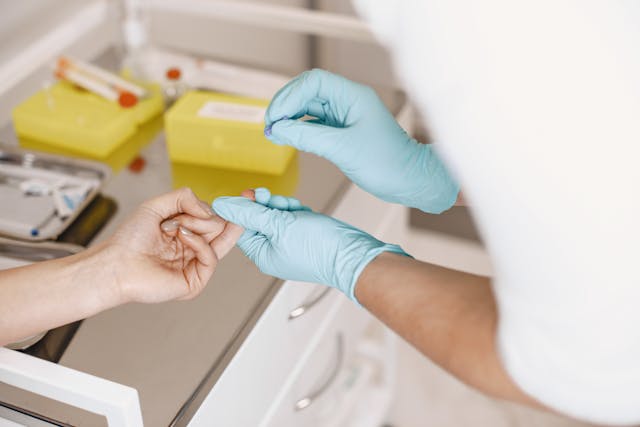
Lab services include tests that check your blood, organs, and overall health. These tests help you understand your body and spot problems early. Most lab services cover basic chemistry tests, organ health profiles, and full screening panels, especially when handled by a trusted laboratory outsourcing provider.
Common Lab Services:
- Basic Chemistry Tests: sugar levels, cholesterol, kidney markers, liver enzymes, uric acid
- CHEM 23 Panel: electrolytes, enzymes, minerals, kidney and liver markers
- Cardiac Profile: heart-related tests like Apo-A1, Apo-B, HsTrop
- Renal Profile: tests for kidney health
- Liver Profile: checks liver enzymes and bilirubin
- 50-Test Panel: a complete screening for the heart, kidneys, liver, pancreas, hormones, immune system, and blood health
How Do Lab Services Work?
Lab services work by collecting a sample from a patient, testing it in a laboratory, and using the results to understand a person’s health. A clinical research laboratory or medical lab checks each sample carefully to look for signs of illness, infection, or other health issues. The process is simple and follows a few important steps.
1. Sample collection
A healthcare worker collects a sample, such as:
- Blood
- Urine
- Tissue
- A swab from the nose, throat, or skin
Some tests need special steps, like fasting before giving a blood sample. Everything is done safely and gently.
2. Sample transport and preparation
The sample is sent to the lab, either inside a hospital or in a private testing center. When it arrives:
- It is registered and labeled
- It is prepared for testing, like separating red blood cells from plasma
- Quality checks are done to make sure machines and tools are working correctly
This helps ensure every result is accurate.
3. Analysis and testing
Lab professionals start testing the sample based on the doctor’s request. They may do:
- Chemical tests to measure sugar, cholesterol, proteins, or other substances
- Microbiology tests to find bacteria, viruses, or other germs
- Cell tests to look at blood cells or tissue for problems
Each test helps doctors understand what is happening inside the body.
4. Reporting results
Once testing is finished:
- The lab compares the results to normal ranges
- They send the report back to the doctor
- The doctor explains the results and may compare them to earlier tests
These results help guide diagnosis, treatment, or follow-up care.
Why Are Lab Services Important?
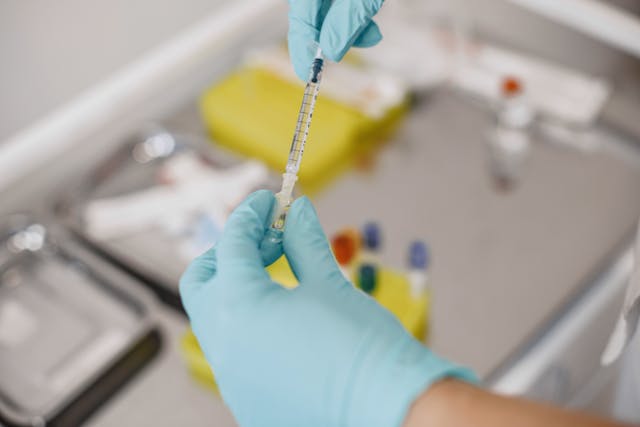
Lab services are important because they help people understand what is happening inside their bodies. Many health problems cannot be seen from the outside, so tests done in a medical lab or a send-out laboratory give clear answers. These results help doctors keep you healthy or treat you when you are sick.
Find health problems early
Lab tests can spot issues before you feel sick. This makes treatment easier and more effective.
Doctors make the right decisions
When a doctor knows your exact test results, they can choose the best medicine or treatment plan for you.
Check if treatment is working
If you are taking medicine or following a treatment plan, lab tests show if your body is getting better.
Track long-term health
For people with conditions like diabetes or high cholesterol, regular tests help monitor changes and keep health under control.
Prevent bigger problems
Some tests can warn you about risks, so you can make lifestyle changes early and avoid serious illness.
Who Needs Lab Services?
Many people need lab services because these tests help check their health and find problems early. Lab services are useful for children, adults, and older people. They guide doctors in understanding what your body needs.
People who feel sick
If someone has fever, pain, tiredness, or any unusual symptoms, lab tests help find the cause.
People with long-term health conditions
Individuals with diabetes, high blood pressure, kidney problems, or heart issues need regular tests to track their health.
People having routine check-ups
Even healthy people need lab tests during their annual check-up to make sure everything is normal.
People taking medicine
Some medicines can affect the body. Lab tests help doctors see if the medicine is working or causing side effects.
Kids and teens
Children may need tests for school check-ups, allergies, infections, or when they easily get sick.
Older adults
As people age, they need more tests to monitor their heart, liver, kidneys, and general health.
Workers who need medical clearance
Some jobs, like food handling or factory work, require lab tests to make sure employees are fit and healthy.
Get the Best Lab Services Today
Looking for reliable lab services? Contact us now and let our team provide fast, accurate, and trusted testing for your health needs.
Contact Singapore Diagnostics:
- Visit any of our nationwide branches
- Call us at (+63) 98845 0655 or (+63) 917 566 4137
- https://singaporediagnostics.com
FAQs
1. What are lab services used for?
Lab services are used to check your blood, urine, or tissue to help doctors understand your health, find problems early, and guide treatment.
2. How long do lab service results take?
Most simple tests are ready within 24 to 48 hours. Some special tests take longer because the sample may be sent to a different lab.
3. Do I need a doctor’s request for lab services?
Many tests need a doctor’s request, but some basic health screenings can be done without one, depending on the lab.
4. Are lab services safe for children?
Yes, lab services are safe. Trained staff know how to collect samples gently, even for babies and young children.
5. What should I do before getting lab services?
Some tests require fasting or avoiding certain foods or medicine. The lab or your doctor will give clear instructions to follow.