
If you’re wondering what laboratory test for liver or what blood test for liver helps monitor your health, our CAP-accredited laboratory upholds international standards for precision and reliability. Through our lab test services, patients receive accurate readings of liver enzymes, proteins, and other vital health markers. Early testing allows you to detect possible liver concerns before they become serious, helping you make informed decisions about your health with expert medical guidance.
What Is a Liver Function Test?
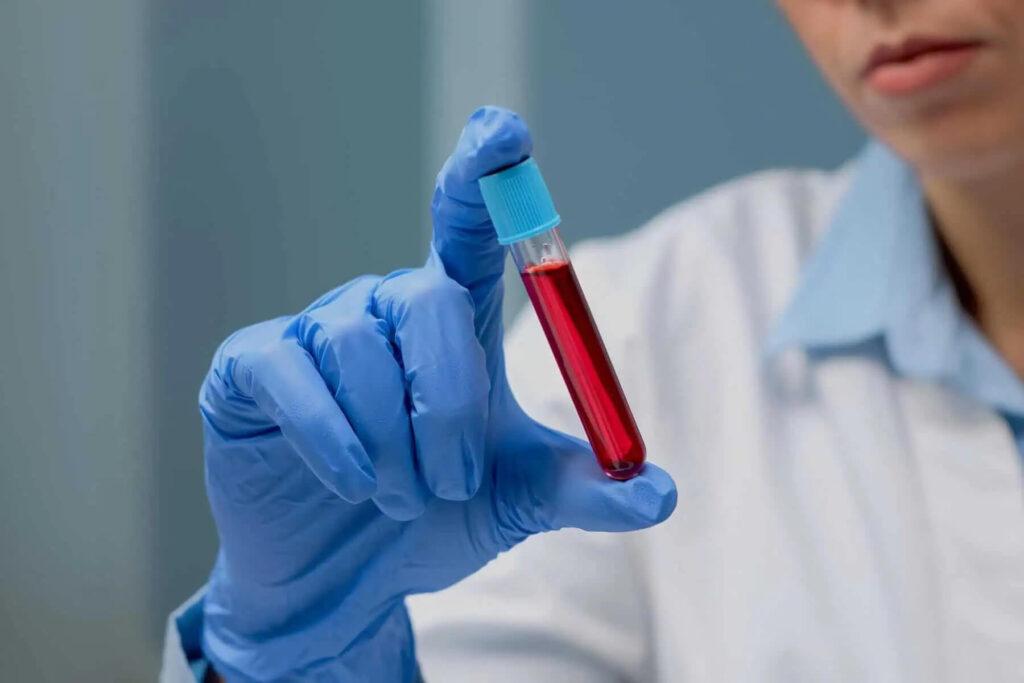
A liver function test is a simple way to check how healthy your liver is. When you visit your doctor, they may suggest what laboratory test for liver or what blood test for liver can help detect early signs of damage or disease. These tests measure important enzymes, proteins, and substances in your blood that show how well your liver is working.
The Role of Liver Function Tests
Your liver plays a major role in cleaning toxins, digesting fats, and storing energy. A laboratory test for the liver checks the level of specific enzymes and proteins that show how well your liver works. When these levels are too high or too low, it may mean your liver is stressed, inflamed, or not functioning properly.
Part of a Comprehensive Metabolic Panel (CMP)
A liver function test is often included in a comprehensive metabolic panel (CMP). This panel gives doctors a complete look at your body’s chemical balance. It helps find conditions like hepatitis, fatty liver disease, or problems caused by alcohol or medications.
Early Detection for Better Health
Early testing matters. By learning what laboratory test for liver or what blood test for liver detect issues early, you can take steps to prevent long-term damage. Regular liver tests help you stay informed, healthy, and in control of your wellness.
Common Liver Blood Tests Explained
These common blood tests for liver function help doctors understand how well your liver is working and identify possible damage early. When you learn what laboratory test for liver and what blood test for liver measure, it becomes easier to see how each one supports your health.
- Alanine Transaminase (ALT): The liver produces ALT, an enzyme that helps convert proteins into energy. When liver cells become damaged, they release ALT into the bloodstream. Doctors use this test to identify liver injury or inflammation before symptoms develop.
- Aspartate Transaminase (AST): The body uses AST along with ALT to measure how well the liver functions. When AST levels rise, it often signals liver inflammation or damage caused by infection, medication, or alcohol use.
- Alkaline Phosphatase (ALP): The liver creates ALP, an enzyme that supports bile flow. When bile ducts are blocked, ALP levels increase. This blood test for liver function helps doctors detect problems in the bile ducts or liver structure.
- Gamma-glutamyl Transpeptidase (GGT): The liver releases GGT when bile ducts are affected. High GGT levels usually appear with elevated ALP levels. This pattern helps doctors locate issues within the liver or bile system.
- Bilirubin: The liver processes bilirubin, a yellow substance formed when red blood cells break down. When the liver does not clear it properly, bilirubin builds up in the blood. High levels can cause yellowing of the skin or eyes, showing poor liver waste removal.
- Albumin and Total Protein: These tests measure the amount of protein your liver makes. Low protein levels can mean your liver is not producing enough or that a chronic condition is affecting its function.
- Prothrombin Time (PT/INR): This test checks how long your blood takes to clot. The liver makes clotting proteins, so slow clotting can signal liver damage or vitamin K deficiency.
Other Specialized Liver Tests
Sometimes, your doctor may order additional tests when basic liver panels show abnormal results. These help confirm what laboratory test for liver or what blood test for liver is most useful in understanding the cause of liver issues. These laboratory tests help doctors identify liver inflammation, bile duct problems, and other issues before they become serious.
- Lactate Dehydrogenase (LDH): LDH checks for general tissue damage, including in the liver. When liver cells break down, LDH levels rise. This test helps detect hidden or ongoing liver stress.
- Viral Hepatitis Tests: These tests check for hepatitis A, B, and C infections. They detect antibodies or viral proteins in your blood. Detecting these viruses early helps prevent liver scarring and long-term complications.
- Alpha-fetoprotein (AFP): AFP tests screen for liver cancer and certain chronic liver diseases. High AFP levels may mean the liver is producing abnormal cells, often seen in liver cancer or cirrhosis.
- Antimitochondrial Antibodies (AMA): AMA tests identify autoimmune liver diseases like primary biliary cholangitis. These conditions cause the body’s immune system to attack its own liver cells. Early detection helps slow disease progression.
When Should You Get a Liver Test?

If you ever feel tired for no reason or notice changes in your appetite, your doctor may suggest what laboratory test for liver and blood test for liver can help find the cause. Because the liver works quietly, problems often go unnoticed until they become serious. That’s why testing early is always a smart choice.
Common Symptoms to Watch For
You should think about getting tested if you notice any of these signs:
- Ongoing tiredness or weakness
- Yellow skin or eyes, called jaundice
- Nausea or frequent upset stomach
- Pain or swelling in the upper right side of your abdomen
These small signs can grow worse over time, so early testing helps you stay safe.
Risk Factors That Increase the Need for Testing
In addition, you should consider a test if you:
- Drink alcohol often
- Are overweight or obese
- Take strong medications regularly
- Have diabetes or high cholesterol
Each of these factors can put stress on your liver, and regular tests help catch issues before they become problems.
Regular Checkups for Prevention
Above all, early testing gives peace of mind. Regular checkups can keep your liver healthy and strong. For accurate and trusted care, schedule your test with Singapore Diagnostics today. Their team uses advanced tools to help you stay informed and make confident health decisions.
Interpreting Liver Test Results
Your liver function test results give insight into how well your liver works and how healthy it is. These results measure key enzymes and proteins in your blood that reveal early signs of liver stress or damage.
High Enzyme Levels
High ALT or AST levels in what laboratory test for liver or what blood test for liver results may signal inflammation or damage to liver cells. This can happen from infections, alcohol use, fatty liver disease, or medication side effects. Elevated ALP or GGT levels may also indicate bile duct blockage or poor bile flow.
Low Enzyme Levels
Low enzyme levels sometimes mean your liver is not producing enough enzymes. This could occur in long-term liver conditions or with poor nutrition. Even though low readings are less common, they still need proper evaluation.
Why Professional Guidance Is Important
Because many factors affect your liver function test results, always seek professional help for accurate interpretation. Doctors can explain your results clearly and recommend the right treatment or lifestyle changes.
Importance of Early Detection
Early detection plays a big role in keeping your liver healthy. Many liver problems start quietly, without clear symptoms. That’s why knowing what laboratory test for liver or what blood test for liver to take can make a real difference in catching issues before they become serious.
The Benefits of Early Screening
When you test early, doctors can spot small changes in enzyme or protein levels. These signs help them act fast, preventing long-term damage. Early screening also allows for simple lifestyle changes, such as better diet or less alcohol, before treatment becomes more complex.
How Liver Issues Can Progress Silently
Liver diseases often develop slowly. At first, you may feel fine, but over time, the liver can become inflamed or scarred. Because symptoms like fatigue or nausea are easy to miss, regular testing helps you stay one step ahead.
Regular Testing for Prevention
Routine testing keeps your liver in check and gives peace of mind. It’s an easy way to protect your health. For accurate and reliable screening, schedule your test with Singapore Diagnostics and take a proactive step toward better wellness.
Why Choose Singapore Diagnostics for Liver Testing
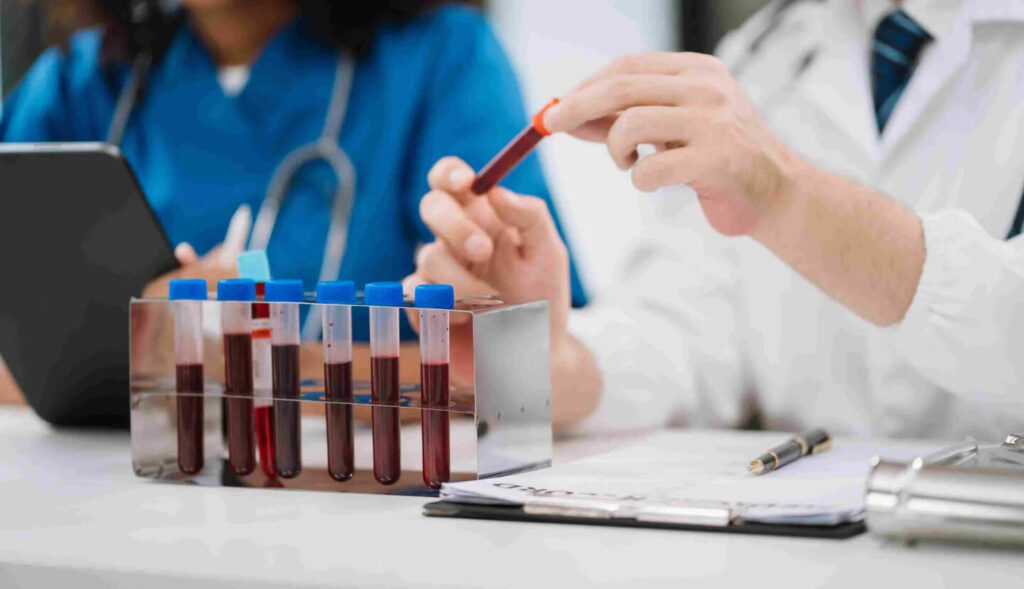
When it comes to accurate and trusted results, Singapore Diagnostics is the top choice for anyone who wants to know what laboratory test for liver or what blood test for liver can give the clearest answers. The center combines modern technology, professional care, and convenience to make testing easy and reliable.
Advanced Equipment and Reliable Accuracy
Every liver function test is performed using state-of-the-art machines handled by skilled medical technologists. This ensures quick and precise readings that help doctors detect even the smallest changes in liver health.
Expert Team and Professional Care
The healthcare team at Singapore Diagnostics is known for its dedication to accuracy and patient support. They guide you through the testing process and explain results in a way that’s simple and easy to understand.
Convenient and Fast Service
Getting your liver test is stress-free, with quick scheduling and fast results. By choosing us, you get dependable service, modern facilities, and accurate information that helps protect your health and peace of mind.
Trusted CAP-Accredited Laboratory for Liver Testing
As the first CAP Accredited Filipino Laboratory in the Philippines, our facility is recognized by the College of American Pathologists (CAP) for meeting international standards of accuracy and quality. Every liver blood test is performed under strict protocols to ensure precise, reliable, and doctor-trusted results.
Through our liver laboratory test, patients can access advanced testing for liver enzymes, proteins, and vital health markers such as ALT, AST, T3, and T4, providing a complete picture of liver and overall body health. With branches in Makati, Pasig, Quezon Ave, Cebu, Bacolod, Davao, and more, getting your liver test is convenient and stress-free.
If visiting isn’t possible, our home service testing brings professional diagnostics directly to your doorstep, performed with the same level of care and precision as in-clinic testing. Contact us here, to schedule your laboratory test and take the first step toward proactive liver health management.
Book Your Liver Test and Stay Ahead of Health Risks
Don’t wait for symptoms like fatigue or jaundice to appear before taking action. Schedule your liver function or fatty liver test today and get accurate, fast, and professional results from a CAP-accredited laboratory. Whether you prefer home testing or an in-clinic appointment, each process is handled by skilled medical technologists using advanced diagnostic tools for your safety and peace of mind.
Contact Singapore Diagnostics
Visit any of our nationwide branches
Call us at (+63) 98845 0655 or (+63) 917 566 4137
https://singaporediagnostics.com
FAQs
What is the best laboratory test for the liver?
The best test is a liver function panel, which includes ALT, AST, ALP, and bilirubin tests to assess overall liver health. These help your doctor understand what laboratory test for the liver gives the clearest picture of how well your liver is working.
What blood test checks for liver problems?
Liver function tests measure enzymes and proteins to detect liver inflammation or damage. Knowing what blood test for the liver to take helps identify issues early so treatment can begin right away.
How often should I get liver tests?
Doctors suggest yearly tests if you drink alcohol, take medications, or have liver risk factors. However, people with existing conditions may need more frequent checkups for better monitoring.
Do I need to fast before a liver test?
Some liver tests may require fasting, while others do not. It’s best to follow your doctor’s advice to ensure accurate results.
Are liver function tests painful?
No, they are not painful. The process involves a quick blood draw that takes only a few minutes. You can return to normal activities right after the test.