
If you’re wondering how to test for liver disease, choosing a trusted diagnostic center is essential. At our CAP-accredited laboratory test, patients benefit from accurate diagnostics, modern equipment, and expert medical staff. Our comprehensive approach makes liver screening simple and stress-free. Whether you’re experiencing symptoms or taking proactive steps, we provide reliable results you can count on. Early detection can make all the difference in protecting your long-term health.
Why Early Liver Testing Matters
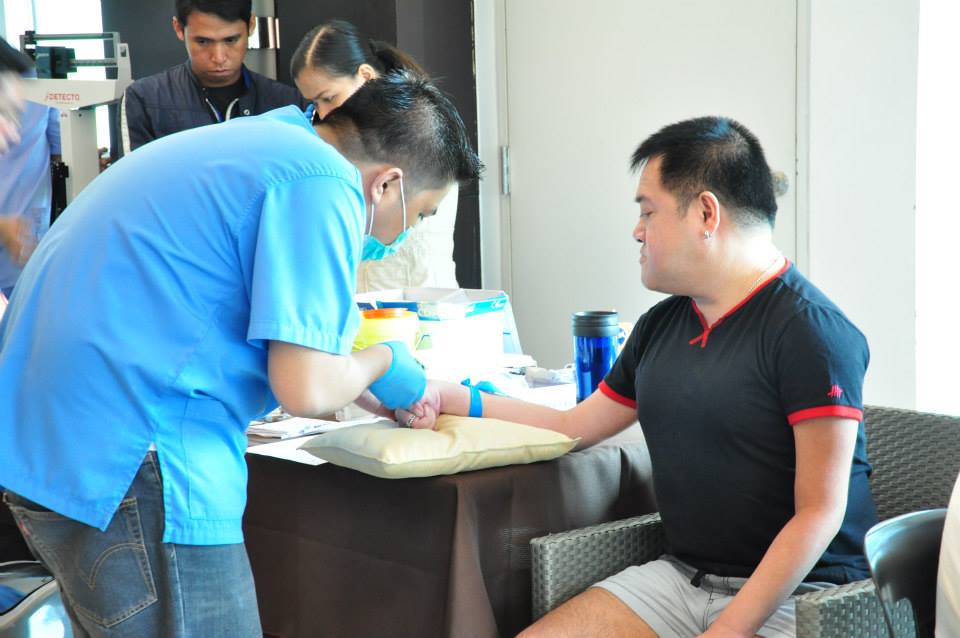
Getting testing for liver disease early can prevent serious damage and help protect your health. The liver often shows no clear signs of trouble until the condition becomes severe. Early detection helps doctors treat the issue before it leads to long-term complications.
Common warning signs include tiredness, yellowing of the eyes or skin, nausea, and stomach discomfort. By acting early, you can manage symptoms, start treatment quickly, and keep your liver healthy for years to come.
Common Signs of Liver Disease
Understanding the warning signs is key when learning how to test for liver disease. The liver affects many body functions, so even small changes can signal a problem.
Physical Symptoms You Can Notice
Some signs of liver issues are visible and easy to spot:
- Yellowing of the skin and eyes (jaundice)
- Tiredness or low energy levels
- Swelling or pain in the upper right abdomen
- Dark urine or pale stools
Internal Warning Signs to Watch For
Other symptoms develop quietly inside the body:
- Nausea or vomiting after meals
- Loss of appetite or sudden weight changes
- Itchy skin or frequent bruising
- Feeling bloated or full after small meals
If you experience several of these symptoms, it’s important to act quickly. A doctor can guide you on how to test for alcoholic liver disease and perform the right assessments to confirm your liver health.
Initial Steps in How to Test for Liver Disease
Before any lab work, doctors begin with simple but important steps. These first checks help identify possible causes and guide the right tests.
Reviewing Your Medical History
Doctors start by asking about your lifestyle, diet, and any past illnesses. They may also ask about alcohol use, medications, or family history of liver conditions. This information helps them understand your risks and decide how to test for liver disease accurately.
Conducting a Physical Exam
Next, your doctor performs a physical exam. They check your skin and eyes for yellowing, feel your abdomen for swelling, and look for signs of tenderness. These quick checks can reveal early hints of liver problems before moving on to blood or imaging tests.
Key Blood Tests in How to Test for Liver Disease
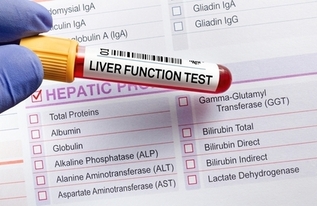
Blood tests are the most common way to test for liver damage or inflammation. These tests help doctors see how well your liver is working and detect problems early.
Liver Function Tests (LFTs)
LFTs measure key enzymes and proteins in your blood. They help identify liver inflammation, damage, or blockage in the bile ducts.
- ALT (Alanine Aminotransferase): High levels suggest liver injury or inflammation.
- AST (Aspartate Aminotransferase): Elevated results often appear with liver or muscle issues.
- ALP (Alkaline Phosphatase): Measures bile duct health and can show blockages or gallbladder problems.
- Bilirubin: This pigment builds up when the liver cannot process waste properly, causing yellowing of the skin or eyes.
Other Important Blood Markers
Doctors also review other key factors that reflect liver and overall blood health.
- Albumin: A protein made by the liver that helps maintain fluid balance. Low levels may signal liver disease.
- Prothrombin Time (PT) and INR: These tests show how long it takes your blood to clot. A slow clotting time may mean your liver isn’t making enough clotting factors.
Together, these blood tests provide a full picture of liver function. With early results, doctors can start treatment quickly and protect long-term health.
How to Test for Alcoholic Liver Disease
When learning how to test for alcoholic liver disease, doctors use specific blood tests to check for alcohol-related damage. These tests help detect liver stress before symptoms become serious.
Key Tests for Alcohol-Related Liver Damage
Two main enzyme tests can reveal the effects of alcohol on the liver.
- GGT (Gamma-Glutamyl Transferase): This enzyme rises with heavy or long-term alcohol use. High levels suggest ongoing liver strain.
- CDT (Carbohydrate-Deficient Transferrin): This test detects long-term alcohol intake and helps doctors assess the extent of damage.
Specialized laboratory tests for liver can help detect early signs of liver injury in those who drink heavily. Doctors often combine these with standard liver function tests for accurate results.
How Imaging Tests Help Detect Liver Disease

When doctors need a closer look beyond blood results, imaging scans help reveal what’s happening inside the liver. These painless and safe procedures show details that regular tests might miss.
Ultrasound
An ultrasound uses sound waves to create real-time images of the liver. It helps detect swelling, fatty buildup, or growths that may affect liver function, and it’s often chosen first because it’s fast and radiation-free.
CT Scan
A CT scan gives detailed cross-section images of the liver, helping doctors see tumors, cysts, or internal injuries. Since it captures surrounding organs as well, it provides a more complete view of your overall health.
MRI
An MRI relies on magnets and radio waves to produce clear, layered images. It highlights inflammation, scarring, or poor blood flow, giving doctors more insight into complex liver conditions.
Elastography
Elastography measures liver stiffness to check for scarring or fibrosis. The results show how healthy your liver tissue is, and they also help track recovery or disease progression over time.
When to Get Tested
Knowing how to test for liver disease is helpful, but knowing the right time to get tested is even more important. Many liver conditions progress slowly, and without early checks, problems can go unnoticed for years.
Who Needs Liver Testing
Some health risks make testing more important. People should consider a check if they have:
- Regular alcohol use
- Obesity or fatty diet
- A history of hepatitis
- Family members with liver disease
- Long-term medication use
Why Early Timing Matters
The liver can stay damaged without showing clear signs, yet small issues can grow quickly. Because of this, doctors suggest testing even when you feel fine. Early screening not only confirms your health but also helps start treatment before serious damage happens. Regular checkups ensure your liver stays strong and functioning well.
Reliable Testing You Can Trust
Getting tested for liver health should always feel safe and stress-free. Every procedure is done using advanced lab equipment that ensures each sample is handled with accuracy. Because the machines are regularly checked and maintained, results remain consistent and reliable.
Skilled Medical Professionals
All tests are performed by trained medical staff who focus on precision and patient comfort. They explain each step clearly so you always know what to expect. Their experience helps detect even small changes that may affect your health.
Fast and Safe Results
Test results are processed quickly so you can take action right away if needed. Every part of the testing process follows strict safety standards to keep you protected.
Trusted Laboratory Testing, Close to You
Singapore Diagnostics is proud to be the first CAP Accredited Filipino Laboratory in the Philippines, recognized by the College of American Pathologists (CAP) for meeting global standards in laboratory excellence. Every liver blood test and diagnostic procedure we perform follows strict international protocols, ensuring accurate, reliable, and physician-trusted results every time.
With branches in Makati, Pasig, Quezon Ave, Cebu, Bacolod, Davao, and more, getting tested for liver disease has never been easier. When you can’t visit our laboratory, our home service testing delivers professional diagnostics straight to your doorstep. You may also request comprehensive health panels, including ALT, AST, T3, and T4, for a complete and precise overview of your health, all performed under strict quality assurance.
Contact us here to schedule your laboratory test today and take the first step toward better liver health.
Start Your Liver Screening Today
Don’t wait for symptoms to appear or worsen. Book your liver function test or fatty liver screening with Singapore Diagnostics and experience accurate, convenient, and stress-free testing. Whether at home or in one of our CAP-accredited laboratories, you can trust our expert medical team to provide precise results for your peace of mind and long-term wellness.
Contact Singapore Diagnostics:
- Visit any of our nationwide branches
- Call us at (+63) 98845 0655 or (+63) 917 566 4137
- https://singaporediagnostics.com
FAQs
What is the best way to test for liver disease?
Doctors usually start with blood work called liver function tests. These measure enzymes and proteins that show how well your liver is working. In some cases, imaging scans or a biopsy may also be needed for a full diagnosis.
How often should I get my liver tested?
It depends on your lifestyle and health risks. People who drink alcohol, take regular medication, or have a family history of liver problems should get tested once a year. Regular testing helps detect small issues before they become serious.
What symptoms mean I should get a liver test?
Watch for tiredness, yellowing of the skin, or pain in the upper right abdomen. Other signs include nausea, dark urine, and itchy skin. If these appear, it’s best to get checked right away.
How do doctors test for alcoholic liver disease?
Doctors use specific blood tests to measure enzymes affected by alcohol use. GGT and CDT levels show if the liver is under stress from alcohol. When combined with imaging, these tests give a clear picture of your liver health.
Are liver tests safe and accurate?
Yes, liver tests are quick, safe, and done in clean medical facilities. The procedures use advanced lab equipment checked regularly for accuracy. Results are delivered fast, so you can discuss treatment options without delay.